We offer a variety of sintering furnaces so that you can choose the best option for your laboratory:
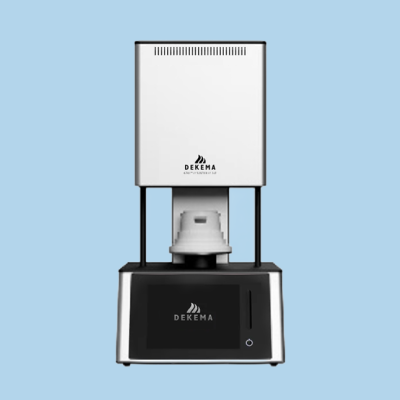)
Dekema
Discover Dekema AUSTROMAT® sintering furnaces for zirconia, metal, and ceramic restorations. Fast, precise, and efficient solutions for dental labs.
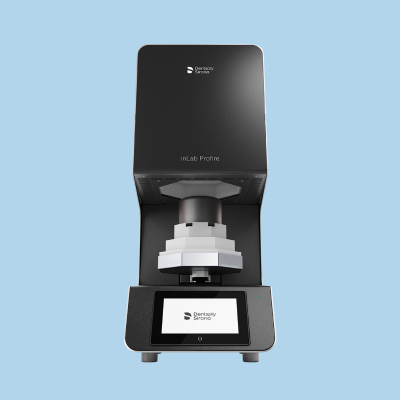)
Dentsply Sirona
Enhance your sintering game with the inLab Profire Sintering Furnace from Zahn Dental. Fast, precise, and reliable for zirconia and non-precious metal restorations.
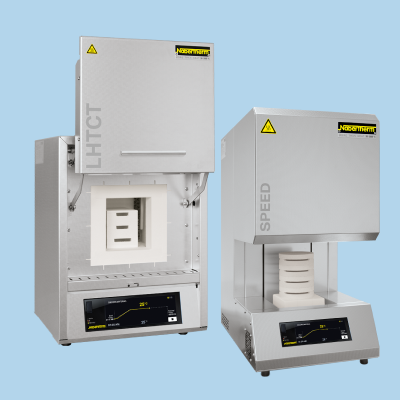)
Nabertherm
Explore high-precision Nabertherm sintering furnaces for dental zirconia. Fast heat-up, even sintering, and reliable results for labs of all sizes.
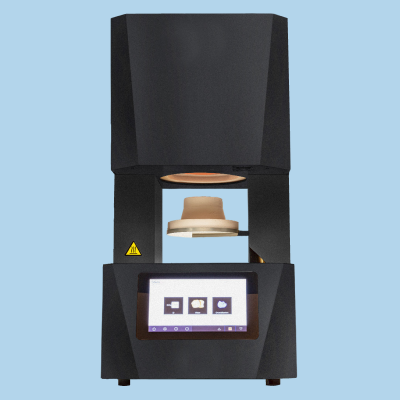)
Shenpaz
Upgrade your dental lab with the Shenpaz Sintra Pro Max Sintering Furnace. Fast cycles, high capacity, and energy efficiency for flawless zirconia restorations.
)
KDF
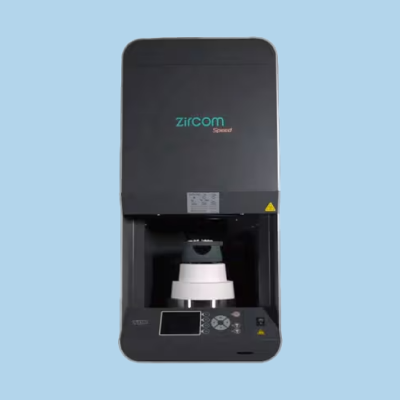
Learn more about KDF Sintering Furnaces by discovering Zircom, Zircom Plus, and Zircom Speed
Choosing a Sintering Furnace
Selecting the right sintering furnace is crucial for your dental lab's success. Consider these key factors:
- Material Compatibility and Temperature Control: Ensure the furnace handles your materials (zirconia, cobalt-chrome, etc.) and offers the necessary temperature range for optimal results
- Furnace Capacity and Production Volume: Choose a furnace that aligns with your lab's production volume to avoid bottlenecks or underutilization
- Heating and Cooling Rates: Gradual heating and cooling cycles minimize stress on materials and prevent cracking
- Safety Features: Prioritize safety with features like over-temperature protection, emergency shut-off, and clear alarms
- User-Friendliness and Maintenance: A user-friendly interface and intuitive controls enhance efficiency, while considering the furnace's maintenance requirements is also important
- Energy Efficiency and Support: Consider energy consumption to reduce operating costs and environmental impact. Evaluate the manufacturer's support services to ensure you have the necessary assistance
Key Features of Our Sintering Furnaces
Our sintering furnaces are designed with dental labs in mind. Offering precise temperature control, rapid heating and cooling cycles, and multiple programmable settings, they ensure optimal results for a variety of materials. Robust construction and advanced safety features guarantee durability and peace of mind. Experience enhanced efficiency with user-friendly interfaces and efficient workspace designs. Our sintering furnaces are built to deliver consistent, high-quality restorations, elevating your lab's productivity and output.What is the optimal sintering temperature and time for different materials (e.g., zirconia, cobalt-chrome)?


How can I prevent cracks or deformation during the sintering process?
Several factors contribute to crack formation and deformation:
- Careful preparation: Ensure that the components are clean, dry, and free from contaminants
- Consistent packing: Proper packing prevents distortion during sintering
- Controlled heating and cooling rates: Gradual temperature increases and decreases minimize thermal stress
- Appropriate furnace atmosphere: The use of a controlled atmosphere can prevent oxidation and cracking
- Material compatibility: Ensure that materials used together have compatible sintering characteristics
What is the importance of furnace atmosphere during sintering?
The furnace atmosphere plays a critical role in the sintering process. It affects:
- Oxidation: Preventing oxidation is essential for maintaining material properties and preventing discoloration
- Reduction: Some materials require a reducing atmosphere to achieve specific properties
- Contamination: Controlling the atmosphere prevents contamination from harmful gases
- Material properties: The atmosphere can influence the final properties of the sintered component, such as strength, hardness, and color
How often should sintering furnaces be calibrated and maintained?
Regular calibration and maintenance are crucial for ensuring consistent sintering results and furnace longevity.
- Calibration: Recommended frequency depends on usage but typically ranges from every 6 months to annually
- Maintenance: Regular cleaning, inspection of heating elements and insulation, and replacement of worn parts are essential
Can I recycle sintered materials for reuse?