


Explore our full range of dental lab millable materials designed to help you deliver strength, precision, and esthetics in every restoration. From zirconia and PMMA to denture bases, partials, wax, and metals, our carefully curated selection offers trusted solutions to support the unique needs of your laboratory. With leading brands like Zirlux, Amann Girrbach, Keystone, Dentsply, and more, you’ll find the right materials to streamline production and achieve exceptional results for your patients.
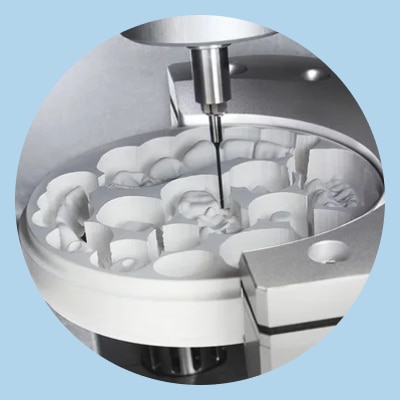
Zirconia
Zirconia is a type of ceramic (zirconium oxide) that is very strong and esthetic for use in dental restorations. Discover our selection of zirconia:
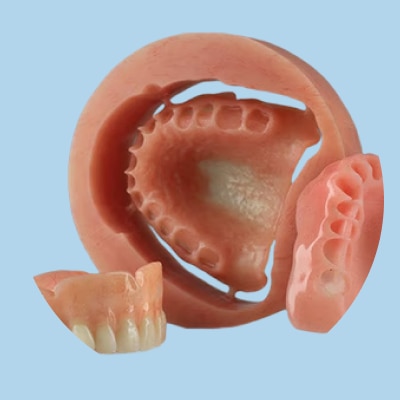
Millable Denture Bases
Millable Denture Bases are very accurately milled to produce the base of a denture, whether using a printed tooth or tooth card. Discover our selection of millable denture bases:
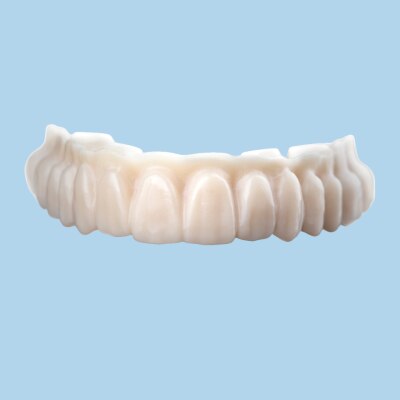
PMMA
PMMA, also known as polymethyl methacrylate, is a plastic acrylic material that has been used for a variety of temporary restorations. Discover our selection of PMMA:
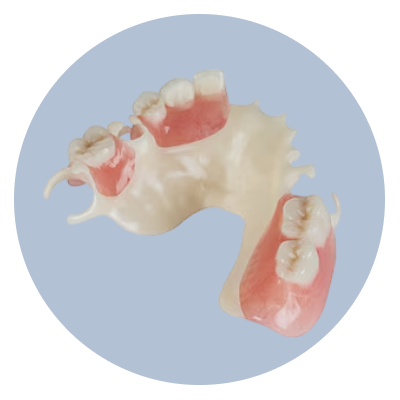
Partials & Frameworks
Take your removables digital and eliminate wax-ups, investing, casting and finishing of CrCo frameworks with our easy-to-manufacture thermoplastic resins. Explore our options:
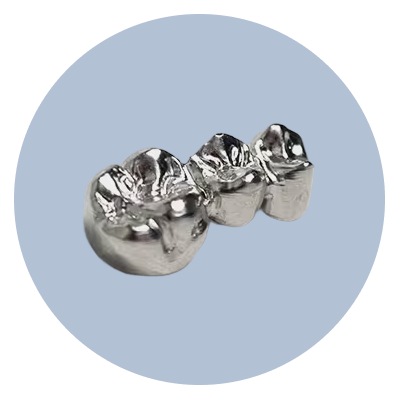
Metals
Metals include nickel and beryllium-free, non-precious cobalt-based dental milling alloy plus titanium-grade material for low-fusing ceramics. Discover our selection of metals:
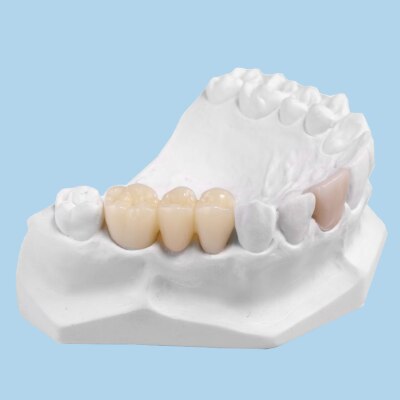
Wax
Create crown and bridge frameworks and diagnostic wax ups by milling or pressing with excellent fit and accuracy. Explore our wax options:
How can I ensure the accuracy and precision of milled restorations?


To achieve optimal accuracy and precision, utilize high-quality CAD/CAM software, calibrate milling machines regularly, use appropriate milling parameters, and implement quality control measures to inspect milled restorations for defects.
What are the benefits of using millable materials for dental restorations?
Millable materials offer numerous benefits, including increased efficiency (faster production times and reduced labor costs), improved accuracy and precision (consistent, high-quality restorations), enhanced aesthetics (natural-looking and lifelike restorations), and greater design flexibility (creating complex and customized restorations).
How can I minimize material waste and optimize efficiency in the milling process?
To reduce material waste and maximize efficiency, focus on accurate digital design, efficient block management, regular maintenance of milling equipment, and proper storage of materials.
What is the most cost-effective milling material for my dental lab?
Polymethyl methacrylate (PMMA) is often considered the most cost-effective milling material for dental labs, particularly for temporary restorations and denture bases. It offers a good balance of strength, aesthetics, and ease of processing, making it a popular choice for budget-conscious labs. However, the optimal choice also depends on specific factors like the type of restoration, desired properties, and the lab's equipment and workflow.
What millable material is best for crowns?
Zirconia is an excellent choice for dental crowns due to its exceptional strength, durability, and biocompatibility. It offers several advantages such as high translucency, resistance to staining, and minimal tooth reduction.
What millable material is best for dentures?
For denture bases, PMMA (Polymethyl Methacrylate) is the most commonly used millable material. It offers a good balance of strength, aesthetics, and ease of processing.
Zirconia vs. Porcelain: Which is Better?
The answer depends on the specific needs of the dental lab and its clientele. However, zirconia has gained significant popularity in recent years due to its superior strength and durability. Its high wear resistance, low friction coefficient, and good corrosion resistance contribute to its longevity. Additionally, zirconia’s unique manufacturing process allows for a natural-looking, translucent material without compromising strength or durability.
What is the future of millable materials and milling technology in the dental industry?
The future of millable materials and milling technology is promising. Advancements in material science and digital dentistry will continue to drive innovation, leading to enhanced material properties (improved strength, aesthetics, and biocompatibility), faster and more precise milling (increased efficiency and reduced production time), greater design flexibility (the ability to create complex and customized restorations), and seamless workflow integration with other digital technologies like 3D printing and AI.

You May Also Like

Milling Machines
Upgrade your milling workflow with top-quality dental milling machines from Zahn Dental. From wet to dry options, find the perfect fit to meet your lab’s needs.

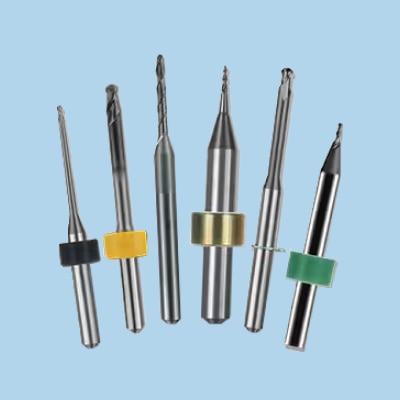
Milling Tools
Explore premium milling tools for digital dentistry at Zahn. Designed for precision, durability, and efficiency, our tools help optimize your milling workflow. Shop now!


Finishing & Polishing Machines
Boost dental lab efficiency with AutoFinish™ Dental Finishing Machines. Cut labor costs, improve consistency, and achieve a faster ROI. Explore models DCPC250 & DCPC500.

Sintering Furnaces
Sintering speeds, capacity, and temperature are just a few factors that should be taken into consideration when choosing a sintering furnace. Discover the right sintering furnace for your needs.
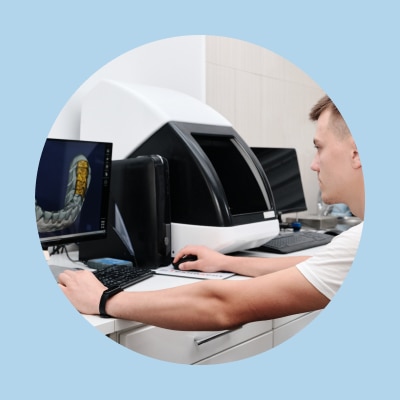
Dental Lab Digital Workflow
Enhance your dental lab with a complete digital workflow from Zahn Dental including scanning, design, milling, 3D printing, sintering, and expert support for better ROI.